
Outstanding Reportage, Difficult Times
This year, Lucerne is hosting the annual conference of the Association of German Travel Journalists (VDRJ). It is my first time attending. The programme includes meetings with fellow journalists, outstanding reportage and the question of how our profession is evolving in the face of a profoundly changing media landscape.
One of the highlights is the presentation of the VDRJ Media Awards, which recognise excellence in writing, audio and video. This year’s top prize for writing goes to Julius Schophoff for “Ich bin eine Insel” (I Am an Island), published in the Frankfurter Allgemeine Sonntagszeitung. The audio award goes to Anna Küch of BR2 radioReisen for her podcast “Mit dem Hausboot durchs Burgund” (Travelling Through Burgundy by Houseboat), while the film award goes to Tom Schachtsiek for “Young Adventurers – Tanzania” (NDR).
During a little small talk, I learn just how demanding the jury’s work is. Reviewing the submissions, assessing them, eliminating some, reconsidering others, discussing them time and again. A considerable undertaking, as I know from personal experience. All the more reason to appreciate the dedication of the various juries.
I have a conversation with Julius Schophoff. His article describes a stay on a tiny island in the North Sea, scarcely larger than a football pitch. For me, such a situation would be a claustrophobic nightmare. Yet his writing is laconic, slightly sentimental and humorous.
The excerpt from Anna Küch’s podcast, in which she recounts part of her journey aboard a houseboat, is entertaining: travelling through Europe for years, accompanied by children who have been exempted from compulsory school attendance for the sake of the adventure. That alone is quite an obstacle to overcome. Lessons continue nevertheless, with the parents becoming teachers.
And finally, Tom Schachtsiek, who sets off on an expedition alone with his camera. That takes courage and skill. The result is a wonderful documentary about his journey through Tanzania, featuring extraordinary landscape photography and insights into the country’s culture and the lives of its people that one does not encounter every day.
Congratulations to all the award winners.
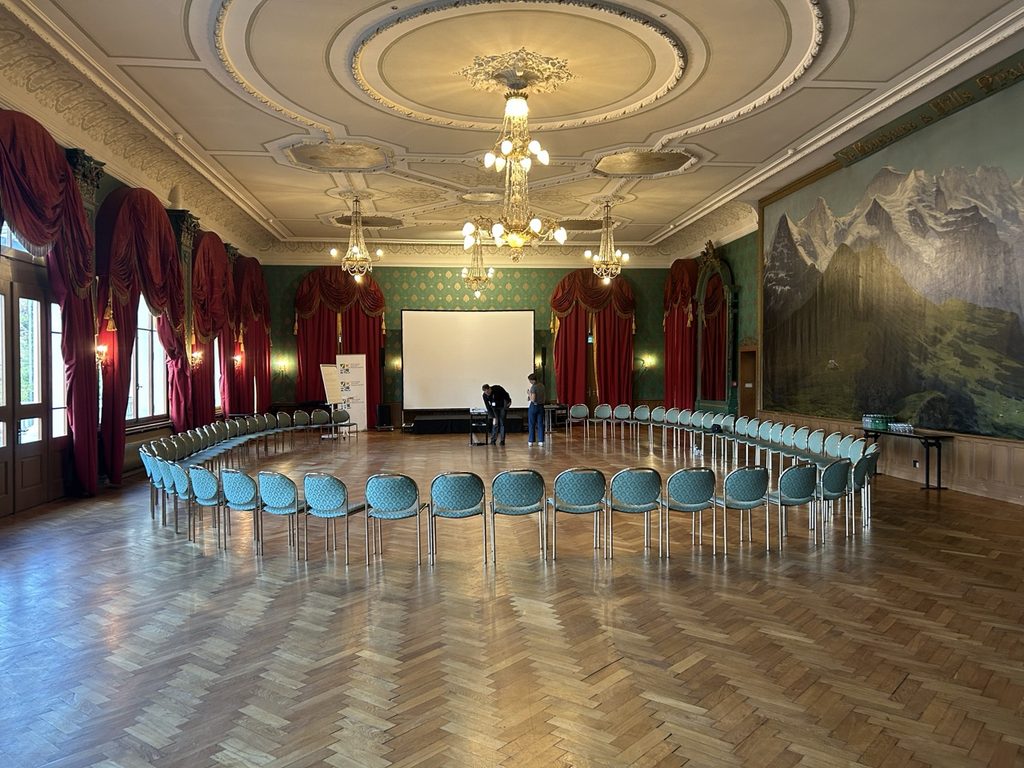
I meet many likeable and experienced colleagues. I myself have only been a member of the association for just under a year. Its chairman, Dr Martin Wein, and many others have done an excellent job organising the trip in advance. Incidentally, plans for the forthcoming annual conferences are already virtually complete. Next year, the destination will be the beautiful Hanseatic city of Bremen, with its magnificent Gothic town hall and many other attractions.
We discuss the state of affairs. Where does travel journalism stand in the face of the rapid changes sweeping through the press? What role will artificial intelligence play, and how should we use it?
The award-winning reports demonstrate impressively what good travel journalism can achieve. But under what conditions will such work even be possible in the future?
The collapse of the traditional print advertising business and the sharp decline in newspaper circulation have placed publishers under enormous financial pressure.
A prime example is the SÜDWEST PRESSE group, which brings together numerous regional newspapers under the umbrella of Neue Pressegesellschaft. These include the Geislinger Zeitung, the Neue Württembergische Zeitung and the Haller Tagblatt. With the acquisition of a majority stake in Medienholding Süd, major titles such as the Stuttgarter Zeitung, the Stuttgarter Nachrichten and the Schwarzwälder Bote joined the group. The Märkische Oderzeitung and the Lausitzer Rundschau also belong to the company.
A centralised newsroom saves millions. For publishing houses, it is a lifeline; journalists are more likely to experience the darker side of the system. Whereas almost every newspaper once maintained its own specialist editorial departments, large parts of national and international coverage are now produced centrally and distributed across numerous, widely dispersed titles.
The consequences: less editorial independence, fewer commissions for freelance journalists and increasingly identical content appearing in different newspapers. Modern times!
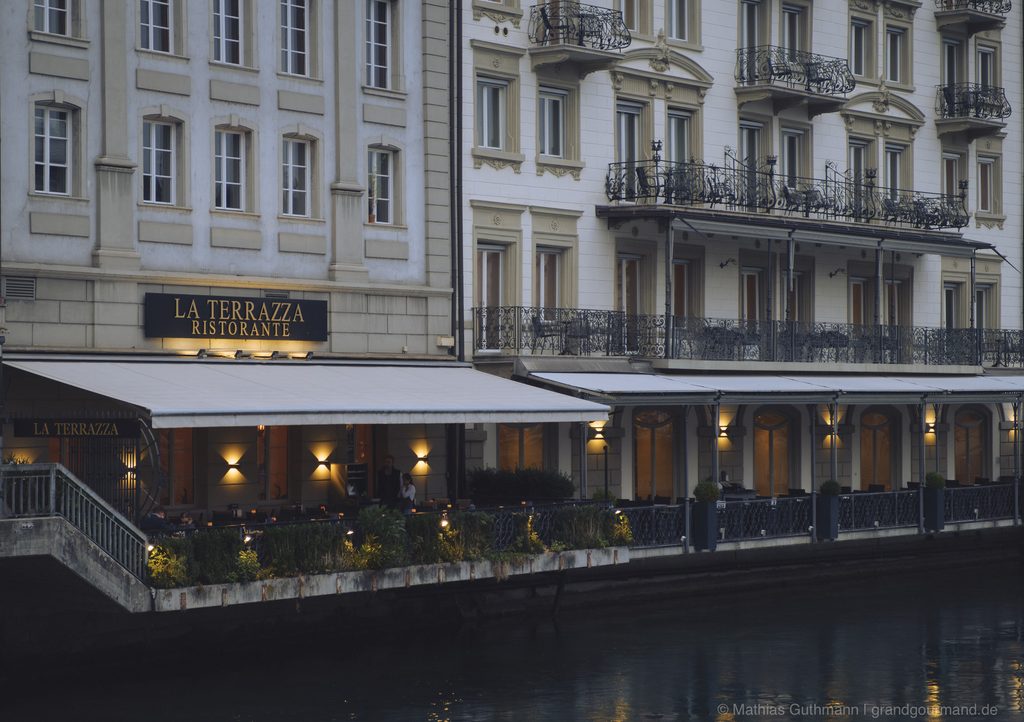
Lucerne in Figures
Lucerne is one of Switzerland’s most popular travel destinations. Around 86,000 people live in the city on Lake Lucerne, which attracts visitors from all over the world with its historic old town, the famous Chapel Bridge and its impressive mountain scenery. In 2025, the hotel industry recorded exactly 1.48 million overnight stays, an increase of 5.1 per cent on the previous year. Three-quarters of these were accounted for by international visitors, led by guests from the United States. In addition, several million day visitors come to the city each year, although their exact number is not recorded. The cultural offering is equally remarkable: Lucerne’s museums registered more than one million admissions for the first time. The wider Lucerne–Lake Lucerne tourism region recorded around 4.2 million hotel overnight stays.
Up Mount Pilatus
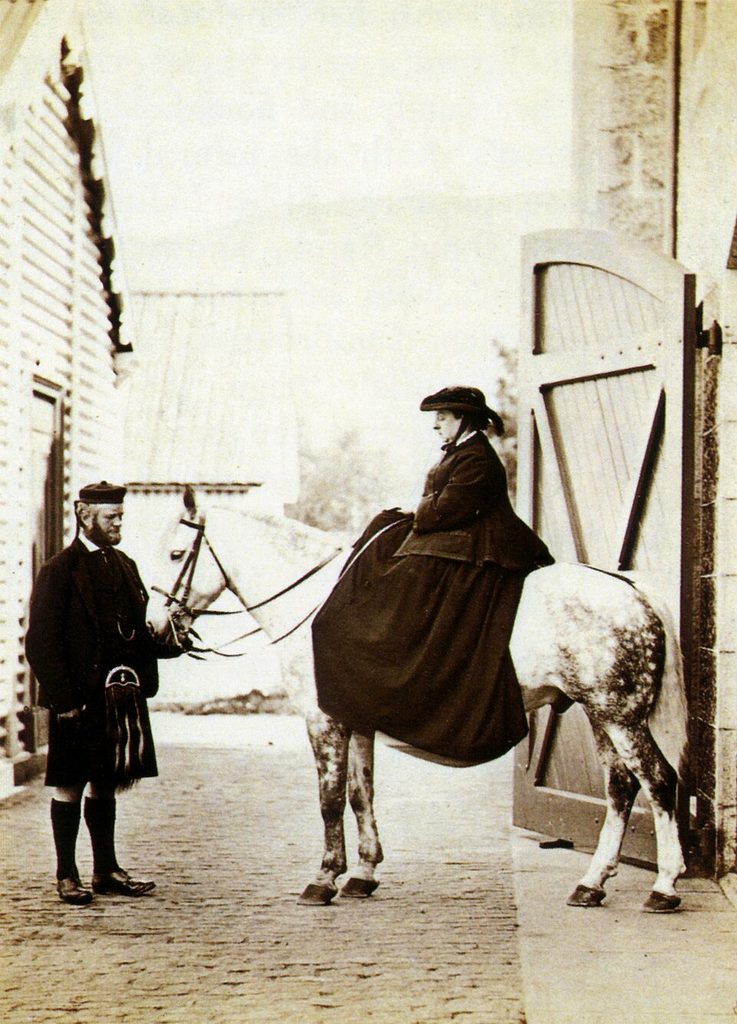
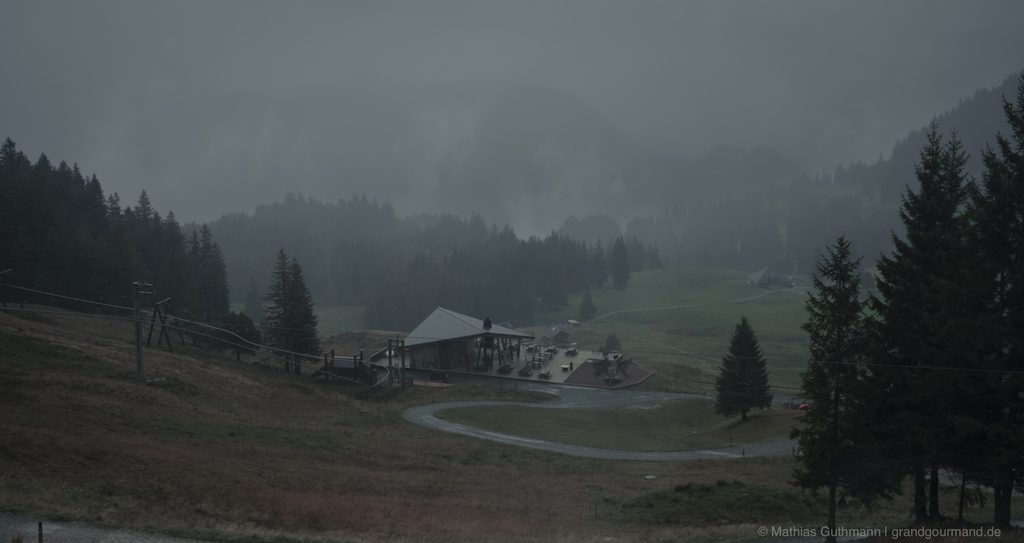
Our journey begins with a cable car ride up Mount Pilatus, Lucerne’s local mountain. The weather is dreadful. Only the previous day, we had enjoyed glorious late-summer weather, pleasant temperatures and magnificent views. Today, heavy rain clouds hang over the city. The mountains have disappeared into impenetrable fog. There is nothing we can do about it; we shall have to forgo the famous panorama.
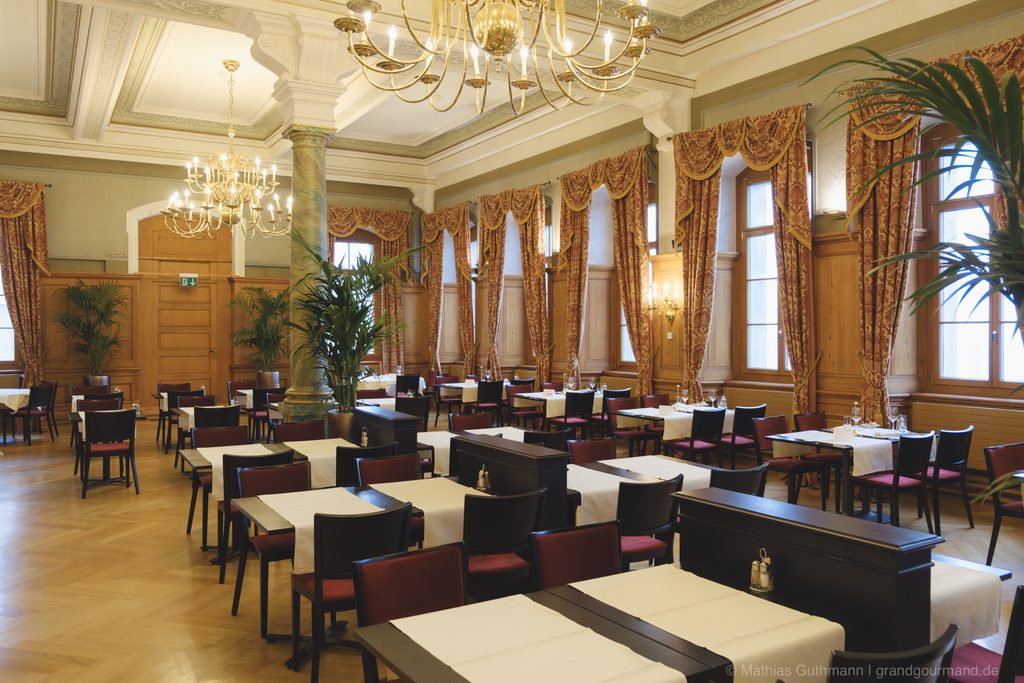
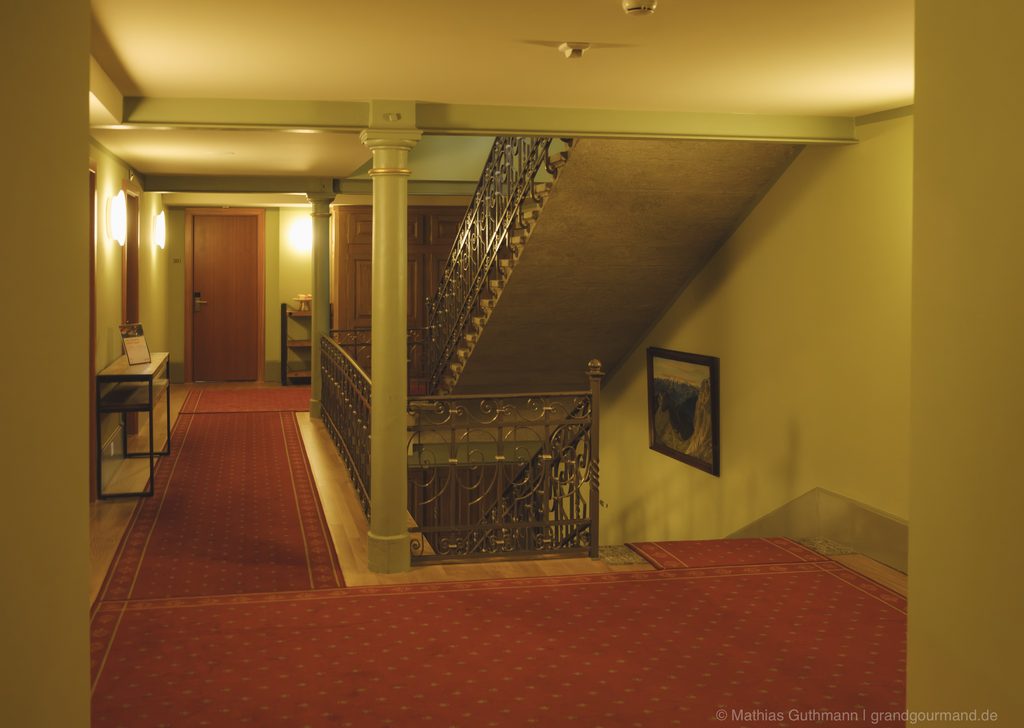
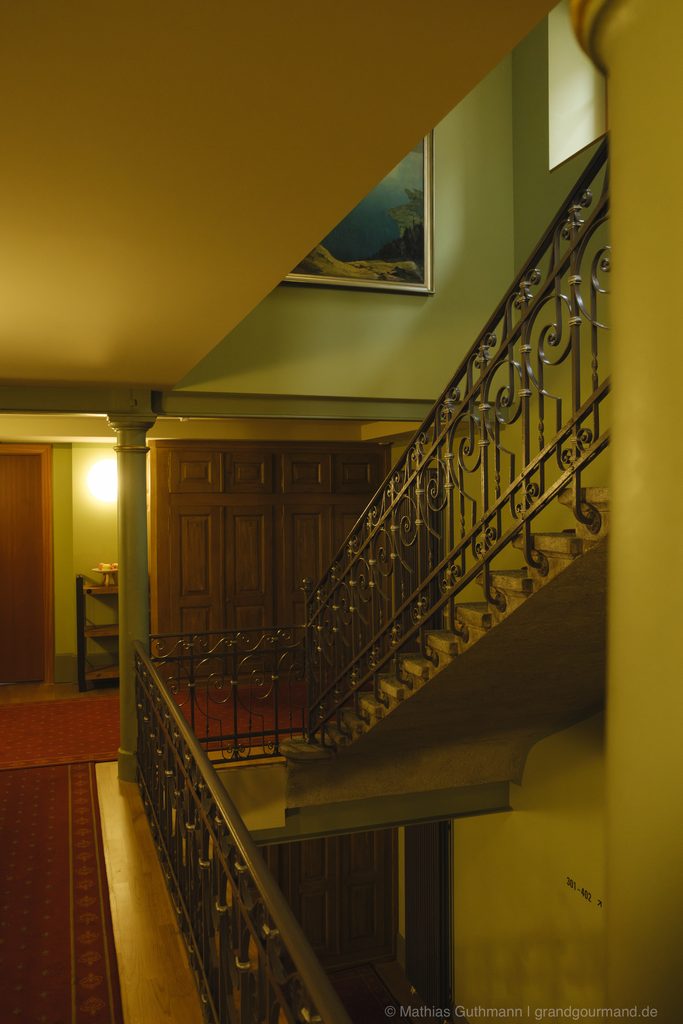
An alternative is quickly found: a visit to the famous Pilatus-Kulm mountain hotel, whose staircases and rooms still evoke the splendour of the Belle Époque. Particularly appealing is the Queen Victoria Dining Room, which commemorates the celebrated monarch.
The British Queen travels through Central Switzerland in the summer of 1868 and is enchanted by the landscape surrounding Lake Lucerne.
On 9 August 1868, the British Sunday newspaper The Observer publishes a detailed account of the monarch’s arrival in Lucerne. Accompanied by three of her children and an illustrious travelling party, including the Marchioness of Ely, Sir Thomas and Lady Biddulph, and Colonel Ponsonby, the Queen makes her way to Lake Lucerne via Paris and Basel. Incognito, as the Countess of Kent. Given the size of her entourage and the extensive coverage in the British and Swiss press, however, the disguise seems rather unconvincing. On the very morning of her arrival, 7 August, The Times in London devotes a leading article to her visit. Imagine King Charles III travelling to Switzerland today with half of Buckingham Palace in tow. Strictly private, of course.
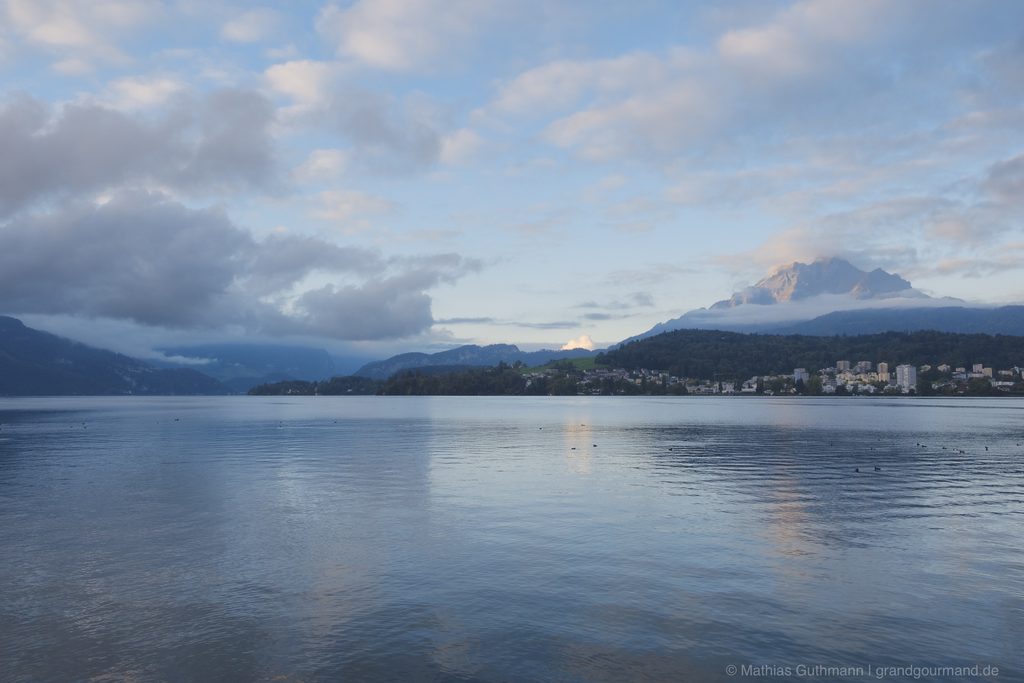
Since the death of her beloved husband, Prince Albert, in December 1861, Victoria has largely withdrawn from public life. Almost seven years later, she seeks rest and distraction in Switzerland. Together with her children, she takes up residence at Villa Wallis, high above Lake Lucerne. The setting is magnificent: the Rigi rises to the right, Mount Pilatus to the left, while between them the view stretches across the lake towards the snow-covered peaks of the Gotthard massif.
The Observer enthuses about a place whose beauty may perhaps be unsurpassed anywhere in Europe. Even then, the newspaper notes, Lucerne is a popular destination for English visitors at this time of year.
Victoria is an enthusiastic painter. She takes her painting materials with her on excursions, capturing whatever appeals to her: the Rigi, Mount Pilatus, Lake Lucerne and the glaciers of the Alps.
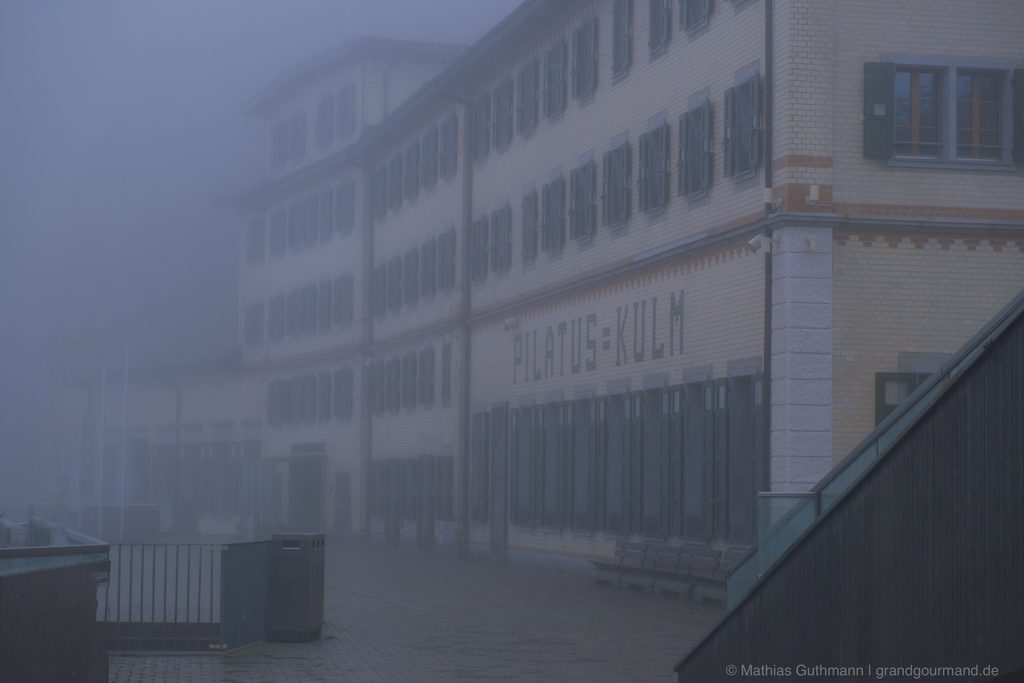
On 31 August 1868, Mount Pilatus is on the itinerary. Victoria has her old pony Flora carry her up the mountain. The Queen complains about the discomforts of the ascent — a steep, stony path! Her physical condition does not seem to have been particularly good at the time.
The enthusiasm for Lucerne has endured through the centuries. For Switzerland, Victoria’s visit is a stroke of good fortune: arguably the most famous influencer of the nineteenth century is promoting tourism in the country.
What remains of this day? A visit to a very beautiful mountain hotel, pure Belle Époque, a first encounter with my fellow journalists and a glimpse of Lucerne.
Sources: The Observer, 9 August 1868, page 4, “The Queen’s Visit to Switzerland”; historical account of Queen Victoria’s journey through Switzerland and her excursion to Mount Pilatus on 31 August 1868.
Gold Rush, Greed and the Gallows: How Gotthard Gold Built Lucerne
The Jackpot in the Alps: Gateway to the World
In the thirteenth century, gold fever grips Lucerne! The reason: the conquest of the Gotthard Pass. With the opening of the Alpine trade route, the sleepy little town becomes one of Europe’s most important crossroads almost overnight. Anyone travelling between northern Italy and the trading centres of the north has to pass through Lucerne. Whether precious Italian silk, tonnes of salt or wine, trade is booming. Boatmen drive their vessels across Lake Lucerne, while merchants urge their pack animals over steep Alpine passes. Everyone makes money from the Gotthard: innkeepers, carters, boatmen — and Lucerne.
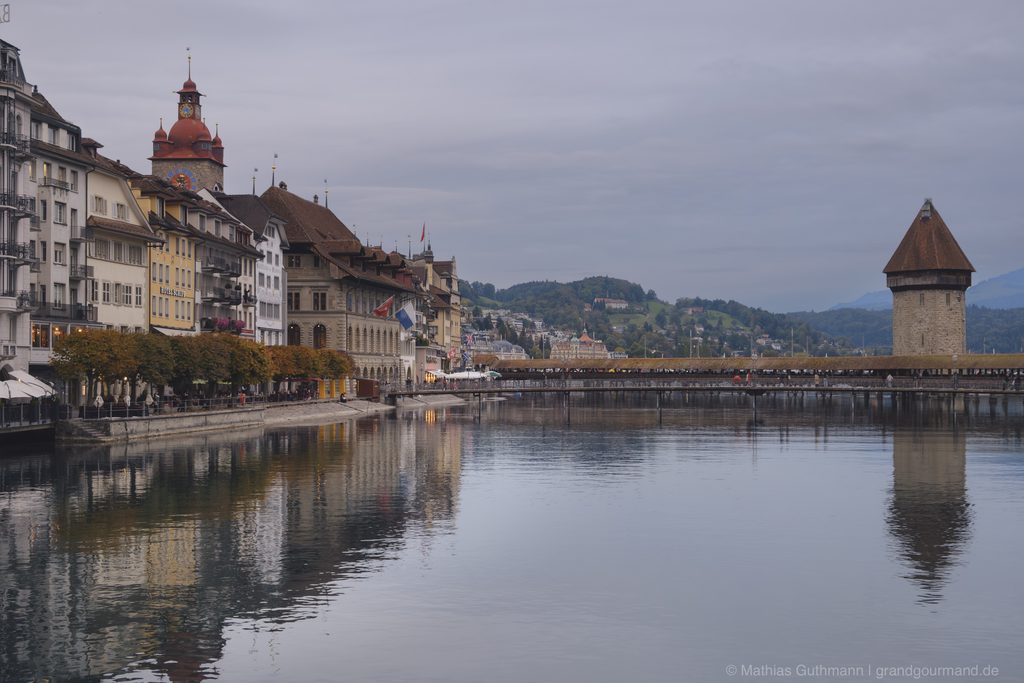
Cashing In on the Reuss
Lucerne’s authorities waste no time in establishing a highly efficient money-making machine. Customs duties, market fees and the lucrative staple right keep the coffers overflowing. Every consignment arriving at the harbour is intercepted by municipal officials. Everything must be unloaded, stored, weighed and taxed. Inspectors mercilessly thrust long iron rods into sacks of grain and bales of cloth, searching for smuggled goods. Anyone who fails to pay the bill loses everything. Merchants grow fabulously wealthy at record speed. And wherever large sums of money are involved, the struggle for power is never far behind.
Fortress of Wealth: Walls Against Poverty
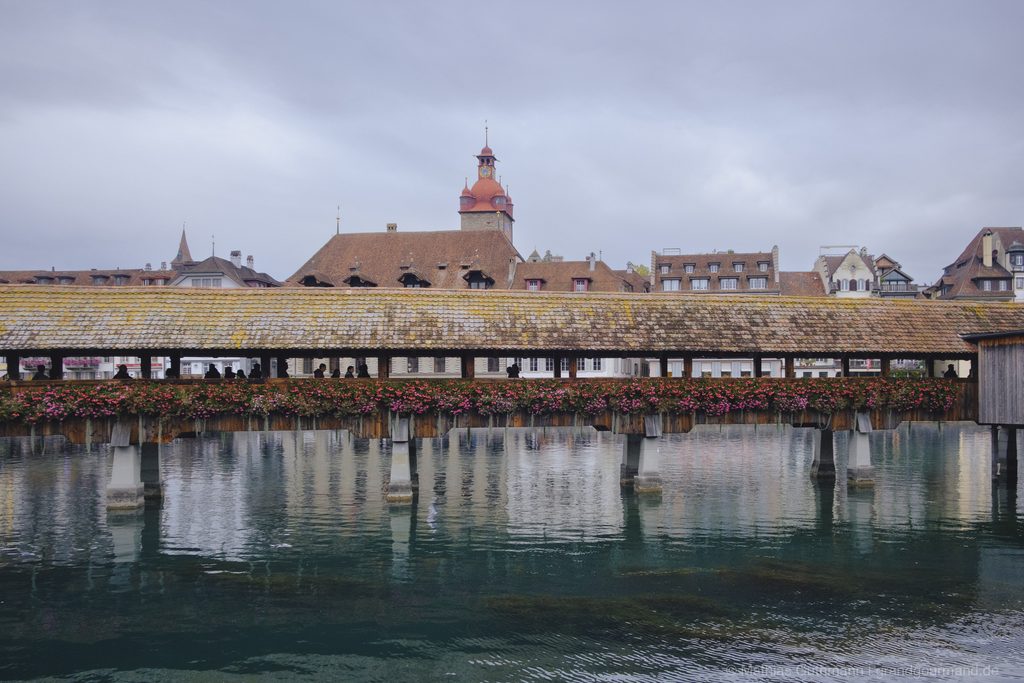
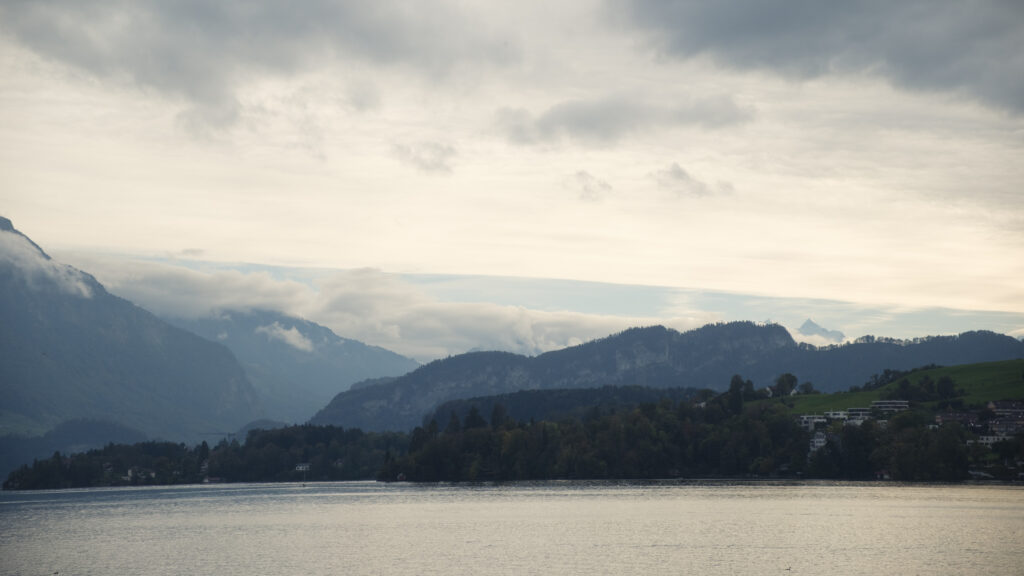
The Habsburgs also smell an opportunity. In 1291, they secure the rights to rule the city. But the people of Lucerne have their own game to play. On 7 November 1332 comes the affront: a secret alliance with the Forest Cantons of Uri, Schwyz and Unterwalden — the birth of the Swiss Confederation! To protect their newly acquired Gotthard gold from the furious Austrians, the city seals off the Reuss with a wooden fortress. The Chapel Bridge rises as a formidable symbol of defence.
A Ticking Time Bomb: Splendour Versus Rural Poverty
Over time, the system creates deep divisions. While the urban elite profits from the steady flow of customs revenue, the surrounding countryside bears the greatest economic burden. Lucerne extends its influence over neighbouring territories and imposes heavy levies. In the Entlebuch valley, resistance to the city’s rule grows over the decades.
1653: Enough Is Enough
In Entlebuch, tensions erupt. Protest turns violent. At the centre of it all: Ueli Dahinden, known as Hinderueli. Together with his comrades, he invokes the ancient legend of William Tell. But while the legendary Tell once confronted a single tyrant with his crossbow, Dahinden wants the entire Lucerne establishment to bleed.
When the great peasant revolt collapses and the heads of its first leaders roll on the scaffold, Dahinden vanishes into hiding. He is now the state’s most wanted man. Public enemy number one.
28 September 1653. A dark, narrow pass at Zinggen. Dahinden lies in ambush, waiting for the delegation of Lucerne’s bailiff. As the fine gentlemen ride into the trap, all hell breaks loose. Gunfire rips through the undergrowth. Bullets tear through flesh. Kaspar Studer, Lucerne’s master of the armoury, falls dead in the dirt. The mayor barely escapes with his life, gravely wounded and drenched in blood. A cold-blooded political assassination.
Lucerne strikes back with merciless brutality. An execution squad is sent to hunt down the rebels. The order: No prisoners.
8 October 1653. The hideout is surrounded. Dahinden scrambles onto the roof of a barn, firing furiously until his ammunition is spent. Then a murderous hail of bullets cuts him down. The chroniclers record the slaughter with chilling detachment: they were “shot down like crows”.
But death alone will not satisfy Lucerne’s patricians. They demand the ultimate degradation. Dahinden’s bullet-riddled corpse is dragged through the streets and put on display in the marketplace. The executioner hacks off his head and quarters the body with heavy blows of his axe. The bloody remains are nailed to the gallows outside the city gates, a warning to anyone who dares defy the ruling elite.
A clear message: Threaten our wealth and you will be destroyed. The Gotthard gold belongs to us.
This is just one episode from Lucerne’s turbulent history. Numerous myths and legends surround these times. To recount them all would go far beyond the scope of this reportage.
• Lucerne State Archives (StALU): Online collections and council records (Official documentation of the assassination at Zinggen and the quartering of the body).
• Suter, Andreas: Der Schweizerische Bauernkrieg von 1653. Schandjustiz in der Frühen Neuzeit. Basel, 1997. (Standard work on the pursuit of the rebels and ritual dismemberment).
• Schaller, Anton: Das Entlebucher Rebellenblut. Geschichte des Bauernkrieges 1653. Schüpfheim, 1953. (Local historical reconstruction of the Ueli Dahinden case).
• Historical Dictionary of Switzerland (HLS): Online article “Swiss Peasants’ War (1653)” (Officially reviewed historical information and biographies).
KKL Lucerne – Where Architecture Turns into Film
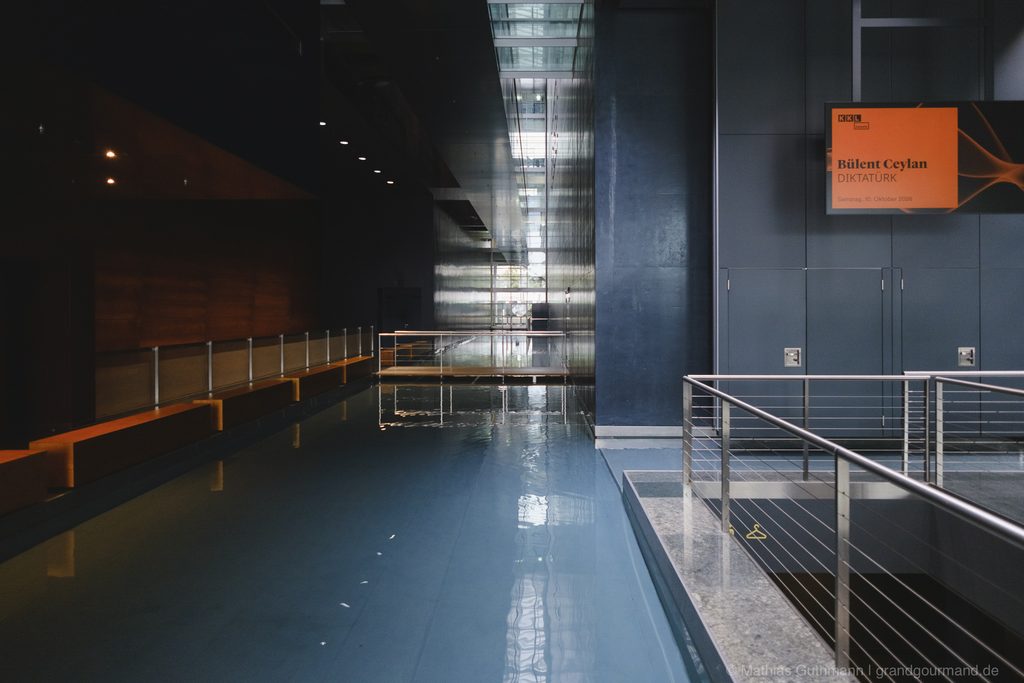
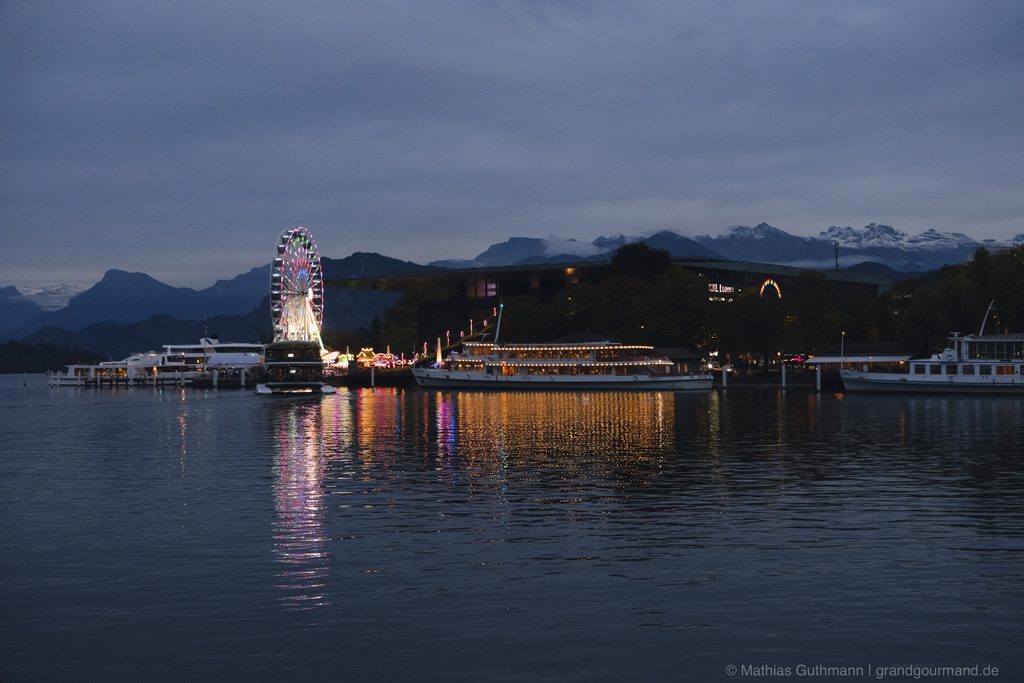
One step, and the perspective shifts. Light glides across glass façades, Lake Lucerne reflects in gleaming metal. Two waterways cut through the complex, separating its three buildings. Massive surfaces seem to lose their weight, lines disappear, new spaces open up. What appeared solid and immovable a moment ago takes on an entirely different shape the next.
Jean Nouvel directs architecture like a film. He guides the eye, plays with light and shadow, surprises us with reflections and shifting perspectives. Water, sky and mountains become part of his production.
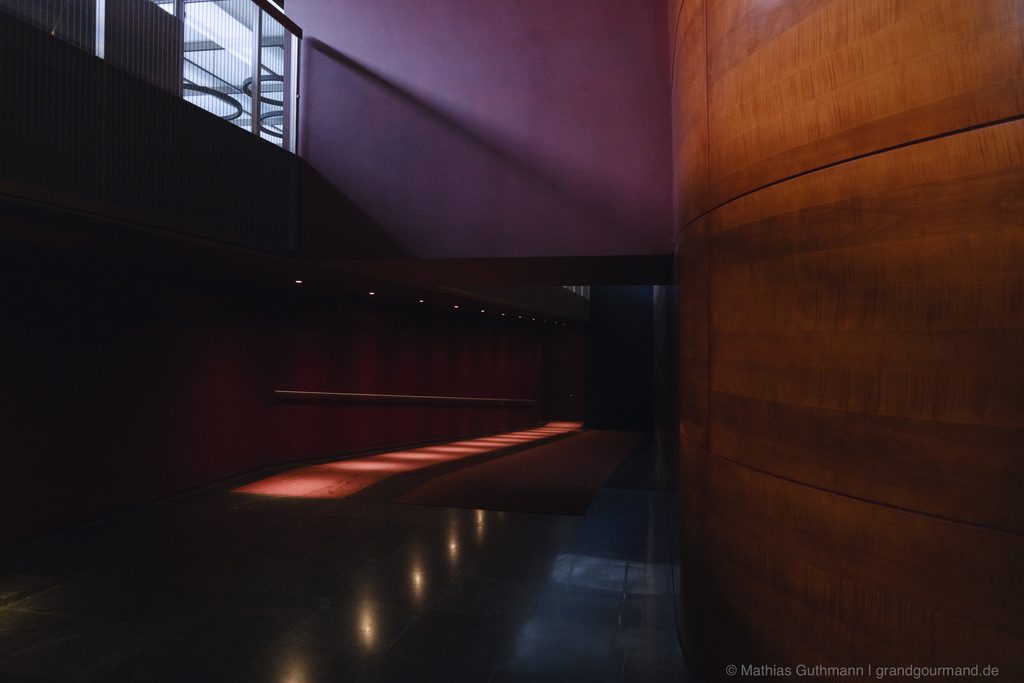
The three buildings beneath that one great roof – they remind me of three ships moored along the shore.
Jean Nouvel
On the shores of Lake Lucerne, the French architect brings these ideas to life in a spectacular building: the Kultur- und Kongresszentrum Luzern, or KKL. The concert hall opens in 1998; the entire complex is completed in 2000. It houses one of Europe’s most celebrated concert halls, event spaces and the Museum of Art Lucerne. A vast roof stretches across the entire complex, its mirrored underside capturing the lake and the surrounding landscape. Architecture in constant motion.
The Architecture of Sound
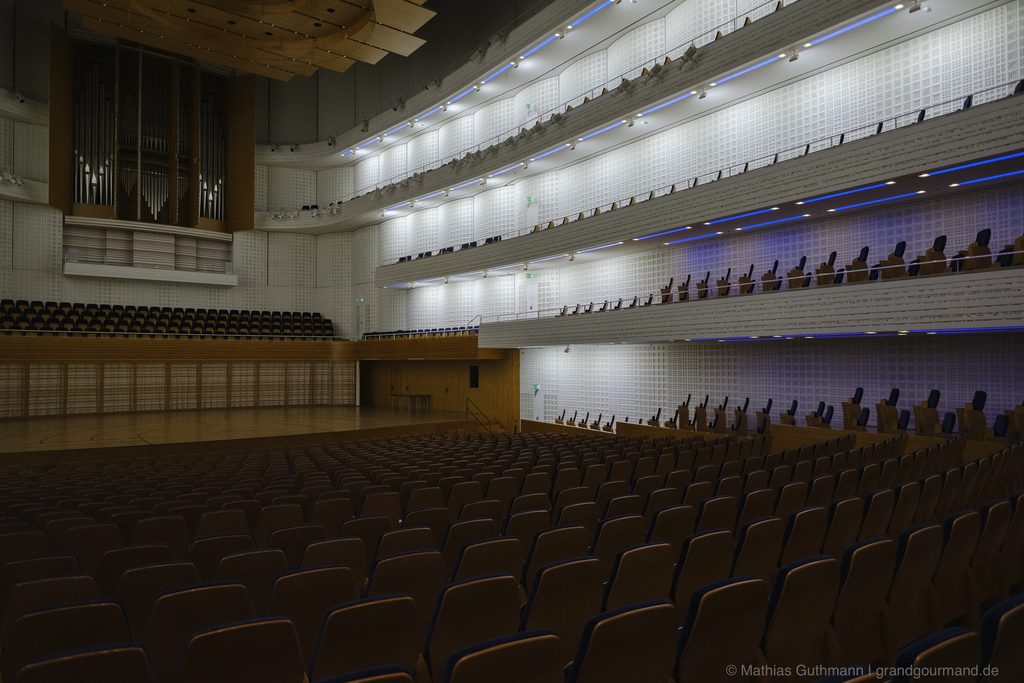
Inside the KKL’s great concert hall, our guide asks us to be silent. Conversations cease. We listen, strain our ears, search for the faintest whisper. Nothing. Absolute silence. When I wake up, one thought: A kingdom for a symphony.
The American acoustician Russell Johnson has created one of Europe’s most renowned concert halls here. A space in which even the subtlest musical nuances come into their own – from the most delicate pianissimo to the full force of a great symphony orchestra.
Lucerne has a distinguished musical past. Richard Wagner lives in Tribschen, on Lake Lucerne, from 1866 to 1872. Here he completes Die Meistersinger von Nürnberg and works on Der Ring des Nibelungen. The landscape inspires him, and the city becomes a meeting place for leading musicians.
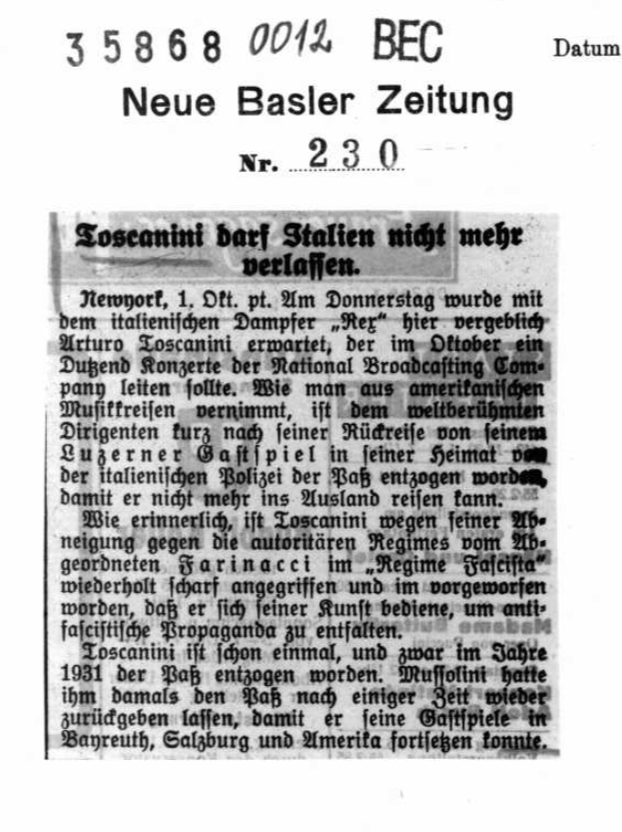
On 25 August 1938, Arturo Toscanini makes musical history. In the garden of Villa Tribschen, he conducts an orchestra assembled especially for the occasion from some of the finest musicians of his time. Around 80 American radio stations broadcast the concert. An outspoken opponent of fascism, the conductor has turned his back on the festivals in Bayreuth and Salzburg. Following his appearance in Lucerne, he is stripped of his Italian passport.
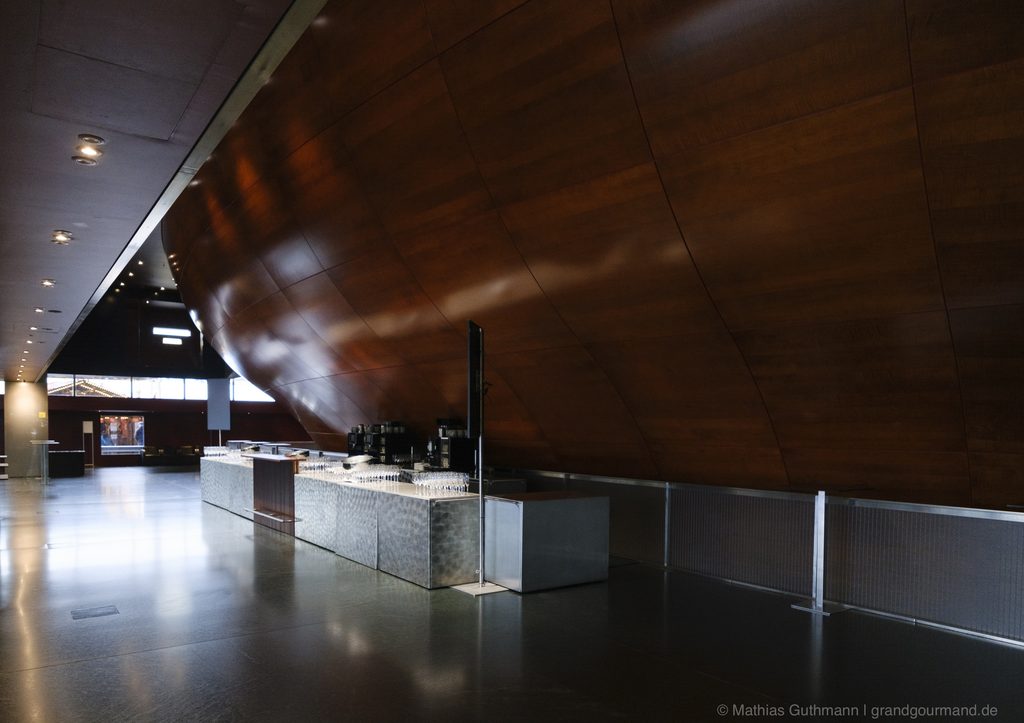
Other musicians follow him to Lucerne, driven from their former concert platforms by the political upheavals in Europe. The Swiss city becomes an important meeting place for the international musical world. Toscanini’s concert is regarded as the birth of the International Music Festival Weeks in Lucerne, the forerunner of today’s Lucerne Festival.
Riccardo Chailly has led the orchestra since 2016. The Lucerne Festival remains a meeting place for the international classical music world. Contemporary music has its place here, too. In 2004, Pierre Boulez establishes the Lucerne Festival Academy, dedicated to the music of the twentieth and twenty-first centuries.
An Authentic Valais Raclette
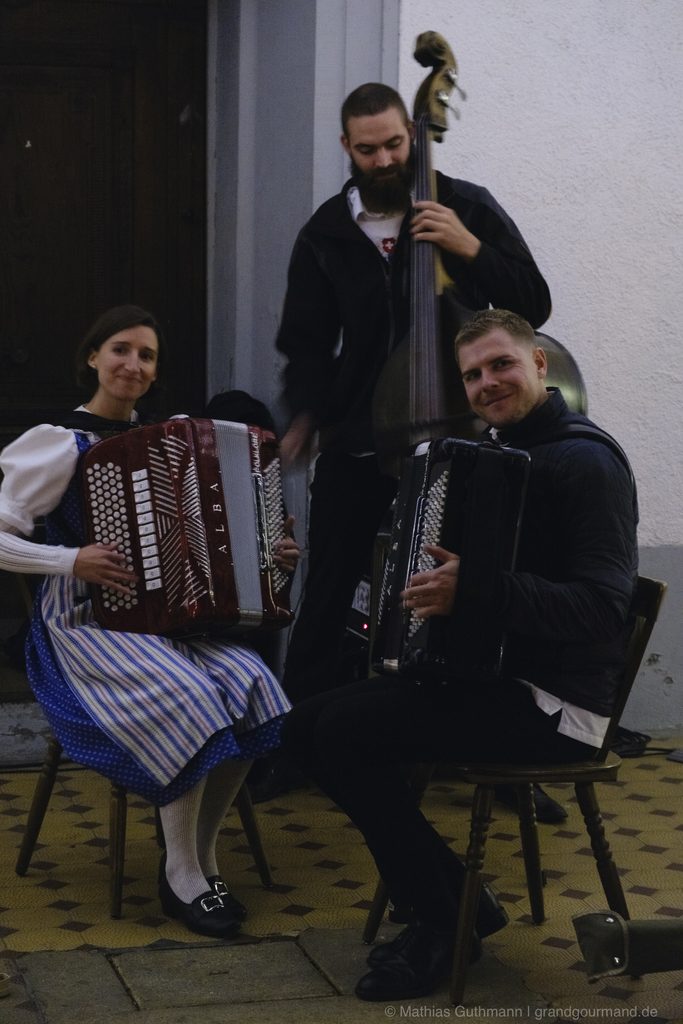
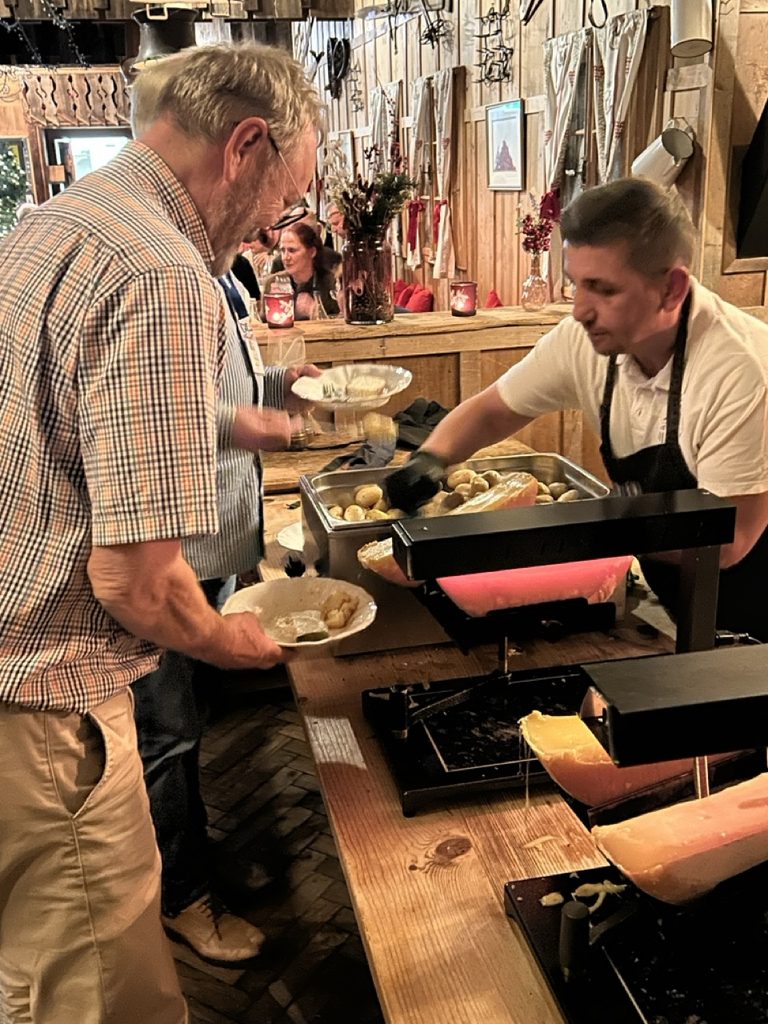
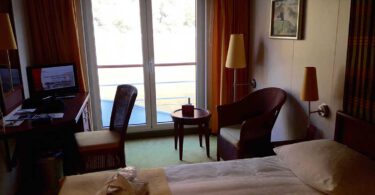
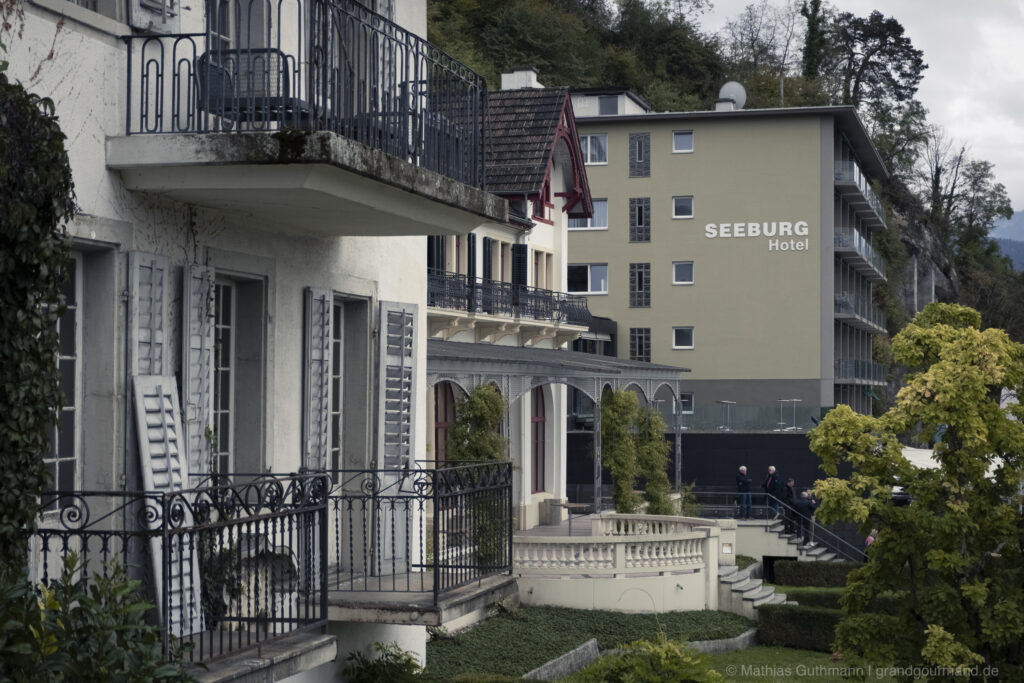
What would a stay in Lucerne be without raclette? Alongside rösti, fondue and Züri-Geschnätzlets, it is part of the very DNA of Swiss cuisine. We are served raclette one evening in the “Titlis-Hütte” at Hotel Seeburg, where our large group is staying. The staff look after us with great kindness throughout our visit. I recommend the hotel.
Back to the raclette. The main ingredient, of course, is the cheese. If you can get hold of half a wheel of Raclette du Valais AOP, you’re on the right track. An authentic raclette calls for just four essential ingredients: cheese, boiled potatoes in their skins, little gherkins and little onions. Nothing more, nothing less. For once, let’s embrace a little purism. The cheese is so good that I personally had no difficulty with that whatsoever.
Here is the recipe:
Ingredients for 8 People
- ½ wheel of Raclette du Valais AOP (approx. 2.4–2.5 kg)
- 1.6 kg small potatoes, boiled in their skins
- Pickled gherkins (as desired)
- Pickled pearl onions (as desired)
Preparation
- Place half a wheel of Raclette du Valais AOP beneath a raclette grill. Keep the cheese at least 6 centimetres below the heating element.
- Once the surface of the cheese begins to melt, scrape the melted layer onto a preheated plate with a knife, tilting the cheese down towards the plate as you do so.
- Originally, Raclette du Valais AOP was melted over an open wood fire. Since the 1950s, this traditional method has increasingly given way to the raclette grill. Nevertheless, many restaurants in Valais still melt the cheese over an open wood fire, preserving the special atmosphere of enjoying an authentic Raclette du Valais AOP.
The Rosengart Collection
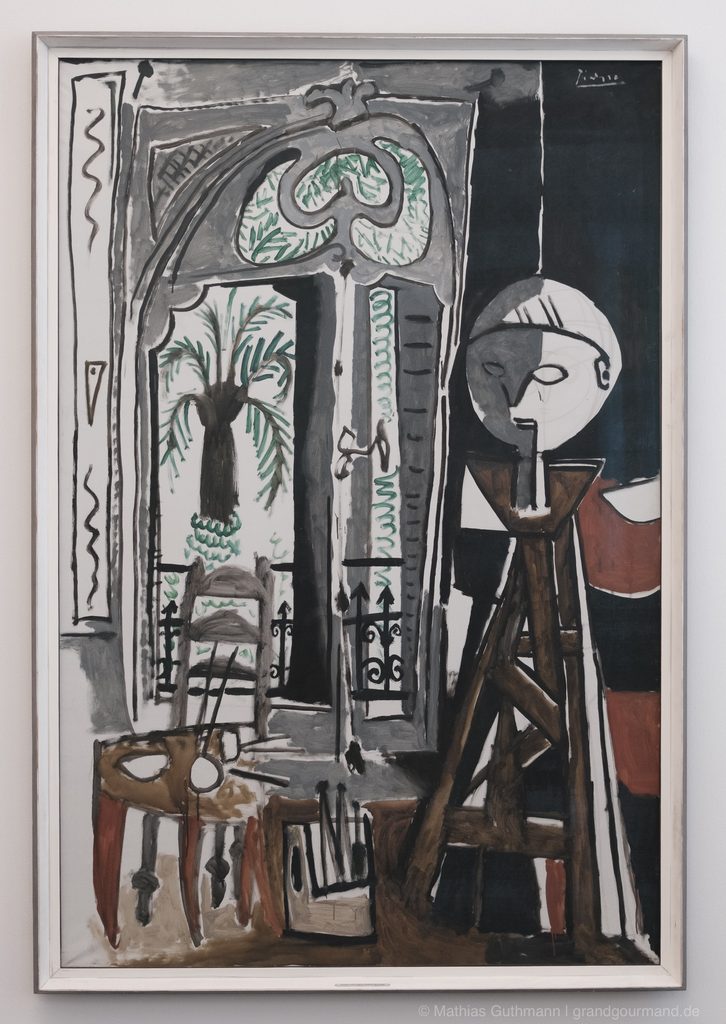
On my free afternoon, following an excellent meal at the Grand Hotel National Lucerne, I visit the Rosengart Collection. A deeply personal collection which, through the dedication of Angela and Siegfried Rosengart, has grown over the years into one of the most important of its kind. During the 1950s, the two increasingly turn their attention to classical modernism, particularly Paul Klee and Picasso. Christian Rümelin, who helped catalogue Paul Klee’s complete works in the Catalogue raisonné Paul Klee, writes:
The collection grew in three phases, some of which were connected with the gallery’s activities. The first lasted until the end of 1952 and was shaped by Siegfried Rosengart’s work as a representative of the Klee Society. The second lasted until around 1996. During this period, the gallery was able to acquire numerous additional works from private collections, some of which found their way into the private collection. In the third phase, which began in the late 1960s and continued until very recently, further important individual works were added, although the collection as a whole had already taken shape.
In the catalogue of the Rosengart Collection, we encounter the great names of painting: Cézanne, Kandinsky, Modigliani, Monet and Renoir, to name but a few. The sheer variety of the works is fascinating, with Paul Klee and Pablo Picasso particularly well represented.
Picasso’s drawings and paintings range from Cubism to the final phase of his œuvre. I feel as though I am caught in a fever dream. The sheer number and quality of the works overwhelm me. We owe this extraordinary collection largely to Angela Rosengart.
Even as a young girl, she would rather receive a drawing by Paul Klee for her birthday than an elegant evening dress. Later, she meets the great artists of classical modernism, visits Pablo Picasso in the south of France and sits for him no fewer than five times. The art collector, who died in June 2026, ultimately gives her home city of Lucerne a museum of international standing. On the back cover of the collection catalogue, she writes:
I felt as though Picasso’s eyes were burning me.
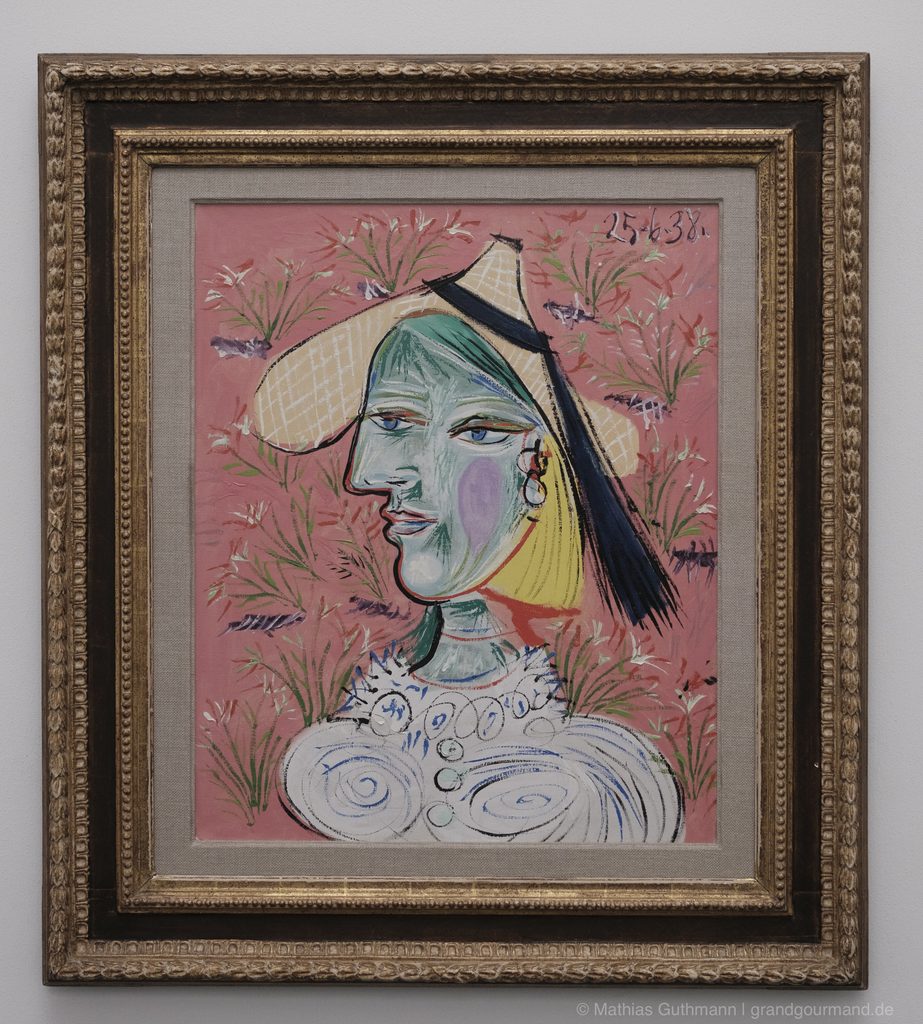
In Femme au chapeau de paille sur fond fleuri (1938), the frontal view and profile merge into a double face, their origins rooted in Cubism. Airy, spiralling lines sweep across Marie-Thérèse’s face and upper body. The colourful floral patterns in the background lend the portrait a cheerful, almost dreamlike lightness. At the time, Picasso is caught between two women, Marie-Thérèse Walter and Dora Maar. Their facial features seem to mingle in the painting, as though the artist had united both women in a single portrait.
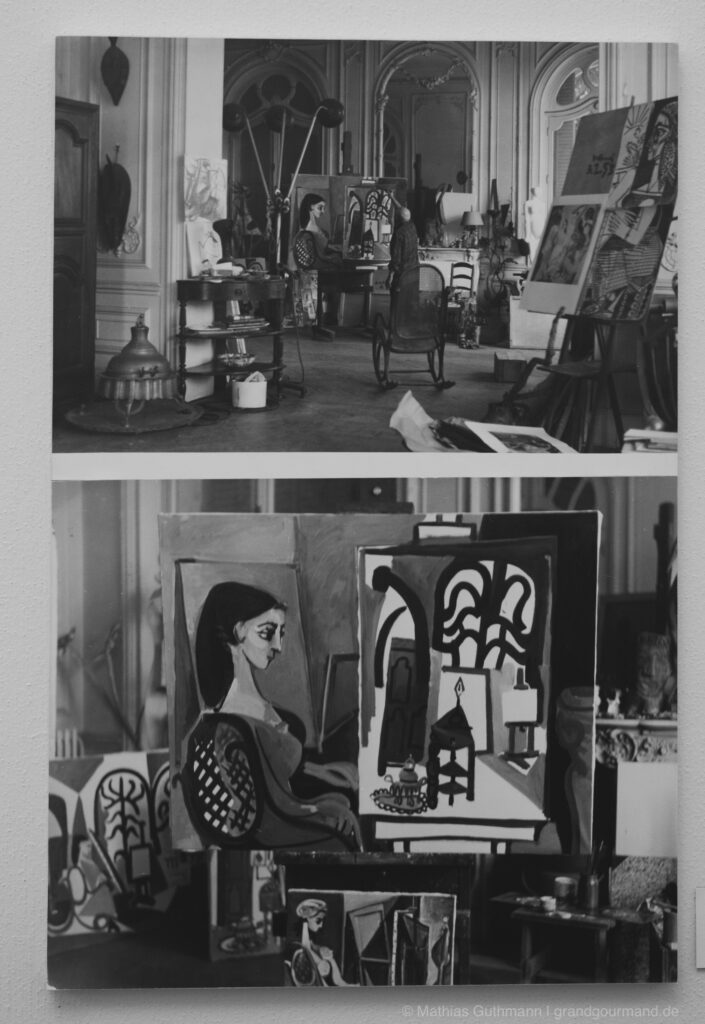
The collection of photographs is equally worth seeing. This picture shows the painter at work on his painting Jaqueline dans l’atelier. Jacqueline was one of his many muses. Throughout his life, he was never one to pass up an amorous adventure, as the saying goes.
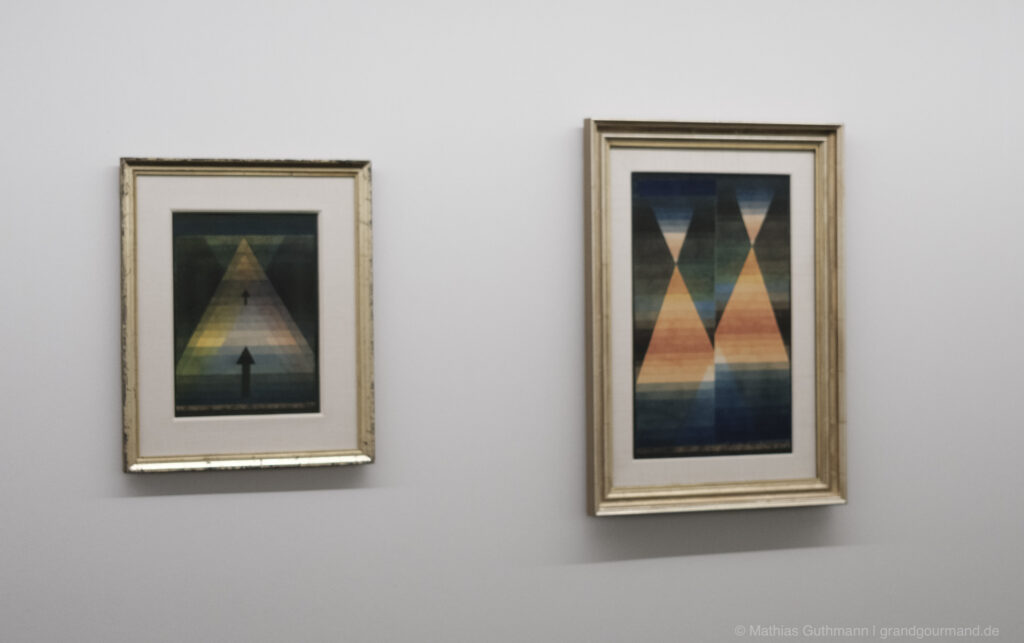
For admirers of Paul Klee, the collection is a veritable place of pilgrimage. His work is permeated by music. He once said of himself:
I cannot be grasped in the here and now. For I dwell just as much among the dead as among the unborn. Somewhat closer to the heart of creation than usual. And still nowhere near close enough.
Born near Bern in 1879, Paul Klee grows up in a musical and artistic household. His mother comes from a Basel family with roots in southern France and Africa; his father is a music teacher. At the age of eighteen, Klee confesses in his diary how much his growing love of music frightens him. He chooses painting and moves to Munich to study at the Academy of Fine Arts. Music remains a constant presence in his work: drawings resemble musical scores, while colours and forms follow musical rhythms. His journey to Tunisia in 1914 has a profound influence on his watercolours. Klee belongs to the circle of Der Blaue Reiter (The Blue Rider), whose member Franz Marc is killed in the war in 1916. Klee himself is called up that same month. At the Landshut military airfield, he paints camouflage patterns on aircraft. In 1921, he is appointed to the Bauhaus in Weimar, marking the beginning of his international rise.
The Nazis confiscate numerous works by Klee from German museums. Seventeen of his works are displayed in the Nazi propaganda exhibition Entartete Kunst (Degenerate Art) in Munich in 1937. By then, Klee is living a secluded life in Bern. His art continues to evolve: the lines grow bolder, the symbols larger, the forms often simpler. His late paintings increasingly explore existential themes.
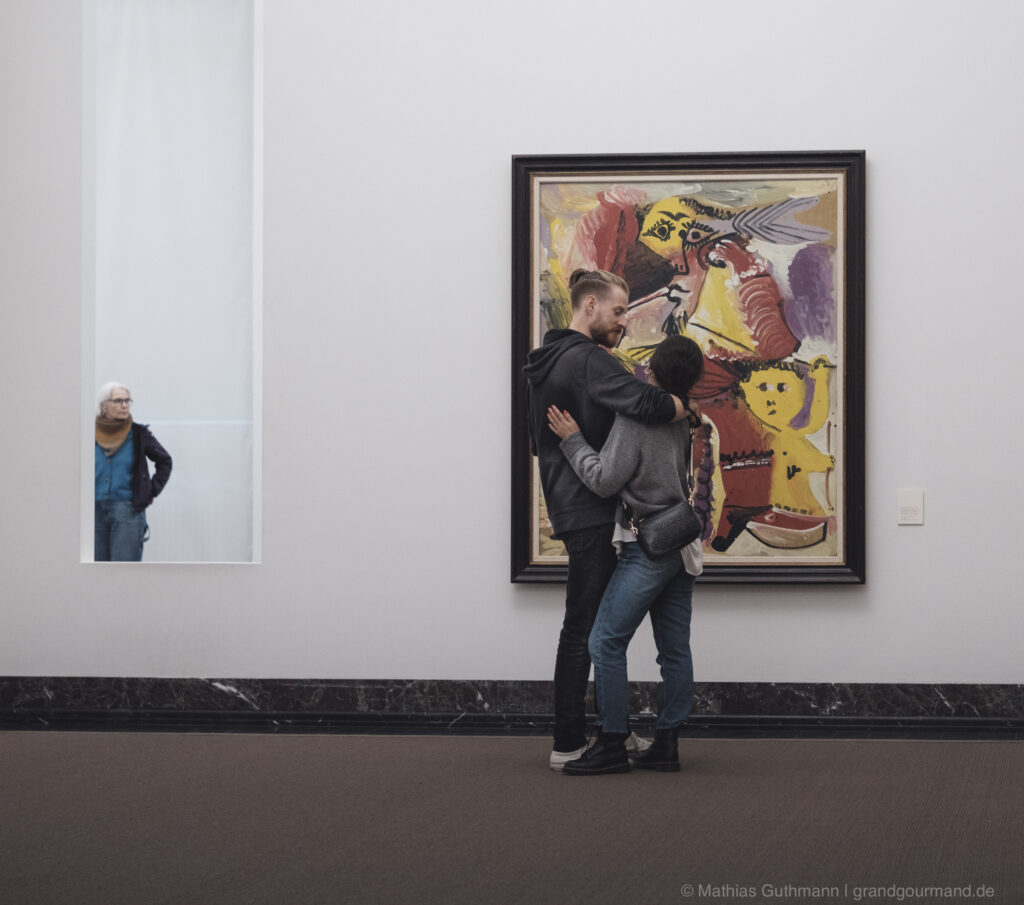
For lovers of painting, the Rosengart Collection is an essential part of any visit to Lucerne. Take your time. The quality and selection of the works will delight you.
Lucerne – Tips, Attractions and Admission Prices
KKL Lucerne – Culture and Convention Centre
Designed by Jean Nouvel, the Culture and Convention Centre Lucerne is one of Switzerland’s most significant contemporary buildings. It is home to the Lucerne Festival concert hall, the Lucerne Symphony Orchestra and the Museum of Art Lucerne, among others.
The building itself is freely accessible from the outside. Architectural tours are available for visitors wishing to see selected interior spaces. Concerts and events are ticketed separately.
Address: Europaplatz 1, 6005 Lucerne
Website: KKL Lucerne
KKL Lucerne – Admission and Guided Tours
The public architectural tour lasts approximately one hour and takes visitors through selected areas of the Culture and Convention Centre, including its famous concert hall.
Admission: Adults CHF 20, children up to 16 CHF 5, holders of the Lucerne Visitor Card CHF 16.
Tours and tickets: kkl-luzern.ch
Guided City Tour – A Journey Back to the Middle Ages
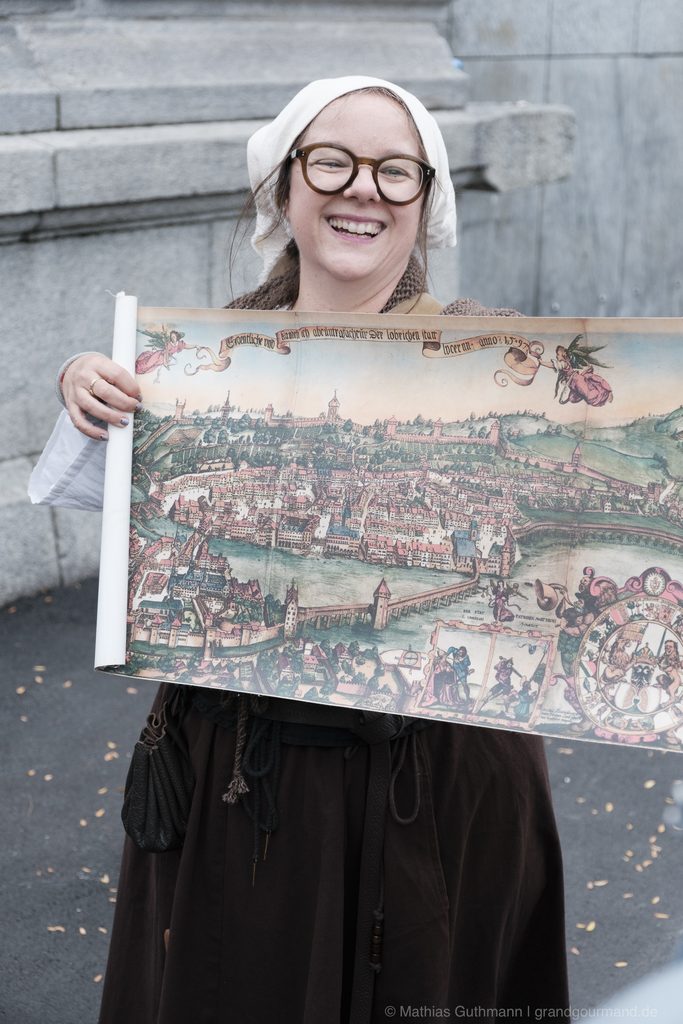
This two-hour themed tour organised by Lucerne Tourism explores the city’s medieval history. Guides in historical costume recount the lives of craftsmen, merchants and mercenaries, as well as the construction of the city’s fortifications.
Duration: 2 hours.
Admission: Adults CHF 30, children CHF 10.
Language: German. Advance booking required.
Information and bookings: Lucerne Tourism – A Journey Back to the Middle Ages. luzern.com
Mount Pilatus – Cogwheel Railway, Gondola and Aerial Cableway
Two different mountain railway routes lead to the 2,128-metre summit of Mount Pilatus. From Alpnachstad, the world’s steepest cogwheel railway climbs to the summit. From Kriens, visitors first take the panoramic gondola to Fräkmüntegg, followed by the “Dragon Ride” aerial cableway to Pilatus Kulm.
Prices, May to November 2026:
- Kriens–Pilatus Kulm, one way: CHF 42.
- Alpnachstad–Pilatus Kulm, one way: CHF 42.
- Return journey: CHF 84.
- With a Swiss Travel Pass or Half Fare Travelcard: CHF 42 return.
- Golden Round Trip, including boat, cogwheel railway, aerial cableway, gondola and bus: CHF 119.80 (2nd class).
- Silver Round Trip, with a train journey instead of the boat: CHF 94.20 (2nd class).
The Golden Round Trip combines a boat trip on Lake Lucerne with both mountain railway routes. The Silver Round Trip replaces the boat journey with a train journey.
2026 season: The cogwheel railway operates from 11 May to 29 November. The gondola and aerial cableway are closed for maintenance from 19 October to 27 November. PILATUS – Mountain Adventures Close to the City
Rosengart Collection Museum
The Rosengart Collection is one of the most important private collections of Impressionist and classical modern art. Its principal focus is on works by Pablo Picasso and Paul Klee. Other artists represented include Cézanne, Monet, Renoir, Matisse, Modigliani and Kandinsky.
Address: Pilatusstrasse 10, 6003 Lucerne. Three minutes’ walk from the main railway station.
Admission prices:
- Adults: CHF 20.
- Seniors over 65: CHF 18.
- Students up to 30: CHF 10.
- Children and young people aged 7–16: CHF 10.
- Groups of ten or more: CHF 17 per adult.
Opening hours 2026: April to October, daily from 10 am to 6 pm; November and December, daily from 11 am to 5 pm, except 25 December.
Public guided museum tours are also available. For example, the Sunday guided tour costs CHF 8 in addition to museum admission. Rosengart Collection Lucerne
Website: Rosengart Collection Museum – Admission and Opening Hours
Swiss Travel Pass
The Swiss Travel Pass provides unlimited travel by train, bus and boat within the Swiss Travel System network. It also covers public transport in more than 90 Swiss cities and admission to over 500 museums. Some mountain railways are included free of charge, while others offer discounts of up to 50 per cent.
2026 prices, adults, 2nd class:
| Validity | Price |
|---|---|
| 3 days | CHF 254 |
| 4 days | CHF 309 |
| 6 days | CHF 399 |
| 8 days | CHF 439 |
| 15 days | CHF 499 |
The pass is valid on consecutive days. A discounted Youth version is available for travellers under 25. The Swiss Travel Pass is available exclusively to people resident outside Switzerland and Liechtenstein. Switzerland Tourism
Information and bookings: Switzerland Tourism – Swiss Travel Pass
All prices are in Swiss francs and were correct as of October 2026. Subject to change.
Acknowledgements and Support
This reportage was written on the occasion of the annual conference of the Association of German Travel Journalists (VDRJ), held in Lucerne from 8 to 11 October 2026.
My special thanks go to Dr Martin Wein and everyone involved in organising and making this journey possible with such dedication. I would also like to thank Lucerne Tourism, particularly Milena von Ah, and Switzerland Tourism for their support and for providing such a wealth of insights into the city and its surroundings.
My heartfelt thanks also go to the team at Hotel Seeburg Lucerne for their hospitality throughout our stay.