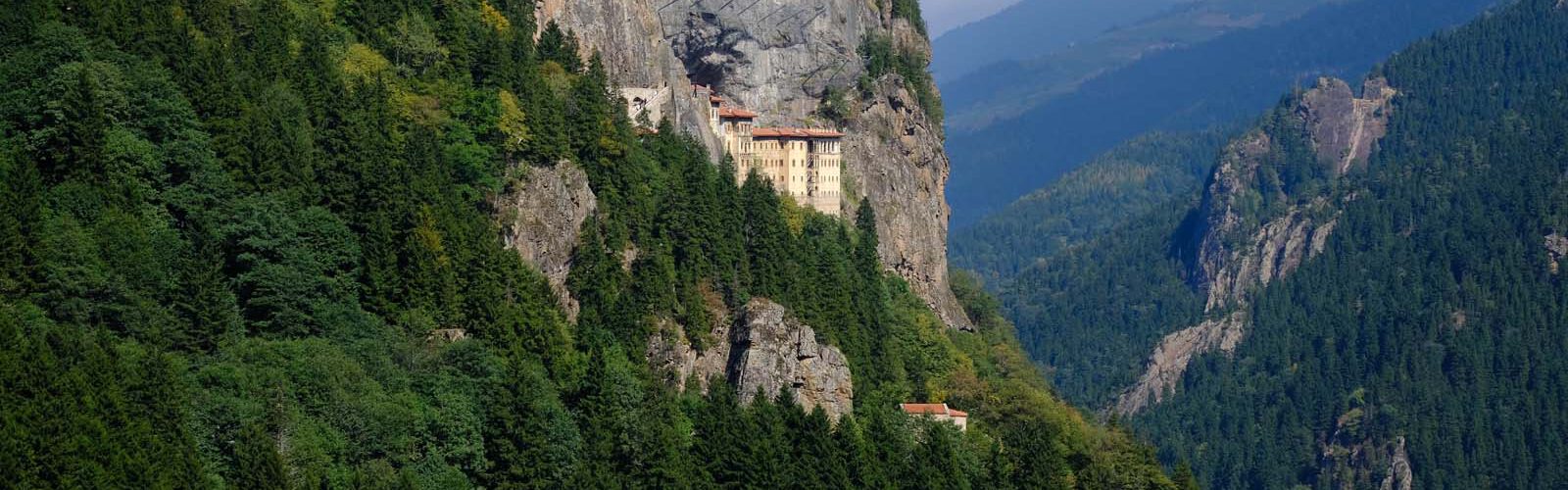
On a Travel Report from Turkey, an Accusation of Political Propaganda, and the Limits of Journalistic Independence.
By Mathias Guthmann
Some stories stay with you, even when they seem to have been settled long ago. For three years, I have kept returning to an incident in which I removed a geographically correct name from one of my travel reports and replaced it with another at the request of Turkey’s tourism promotion agency. I did so out of consideration for a German PR agency with which I have a good working relationship.
Today, I would make a different decision.
It concerned a travel report for Grandgourmand about Trabzon and Rize on Turkey’s Black Sea coast. About tea plantations, the people of the region, its landscapes and its history. In my article, I used the name “Pontic Mountains”.
Two words that had unexpected consequences.
When Geography Becomes Political
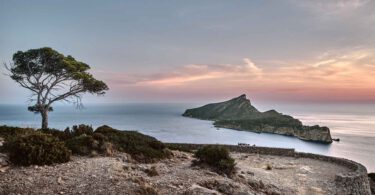
The Pontic Mountains stretch along Turkey’s Black Sea coast. Their eastern section includes the Kaçkar Mountains, the highest part of this mountain system. The name “Pontic Mountains” is internationally recognised; the Encyclopaedia Britannica uses it too.
Geography is not propaganda.
Nevertheless, the German PR agency that had organised my trip initially passed on a suggestion that I should write “Kaçkar Dağları” instead. Later, its managing director informed me that the PR director of the Turkish Tourism Promotion and Development Agency (TGA) had expressly requested that I replace “Pontic Mountains” with “Black Sea Mountains”.
I changed both language versions of my report. Not because I believed the change was justified, but out of consideration for the agency, whose work I value and which I did not want to put in a difficult position.
My reaction at the time is documented in writing:
“I made the change with considerable pain. It is, of course, wrong.”
A Newspaper Discovers Propaganda
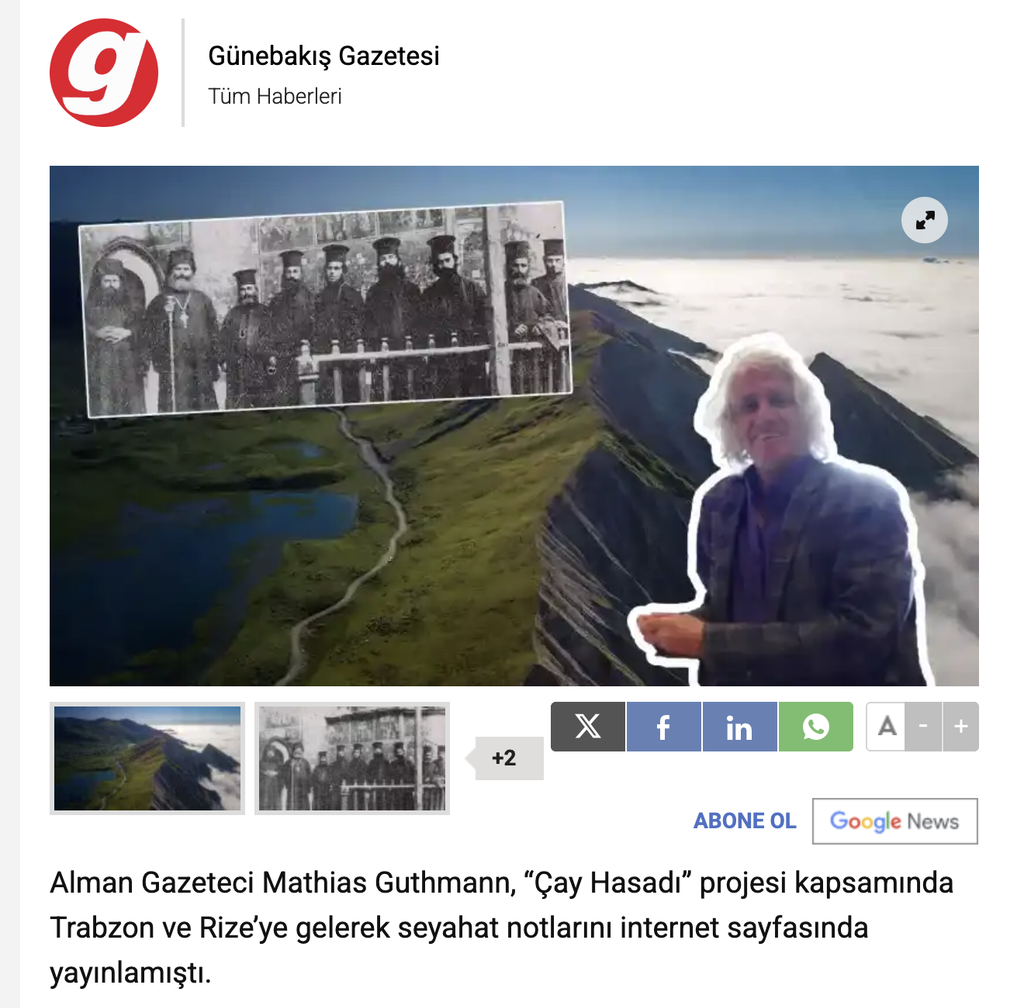
Shortly afterwards, the established Trabzon regional newspaper Günebakış published an article about my report. Its headline translated roughly as: “Günebakış Exposes Pontus Propaganda About Trabzon!”
It sounded like the exposure of a threat to national security. In reality, I had used a geographical name.
The term “Pontus” carries considerable historical and political baggage in Turkey. It evokes efforts to establish a Greek Pontic state on the Black Sea coast after the First World War. Except that I had neither advocated such a state nor addressed territorial claims of any kind.
What makes the newspaper’s conduct particularly noteworthy is its own professed identity. Founded in 2000, Günebakış describes itself as an independent regional news outlet. Its publisher, Ali Öztürk, publicly emphasises the importance of journalistic responsibility and respect for the rights of others. In my case, the newspaper levelled a serious political accusation without first seeking my response.
A rather peculiar interpretation of journalistic diligence.
A Director No Longer in Office
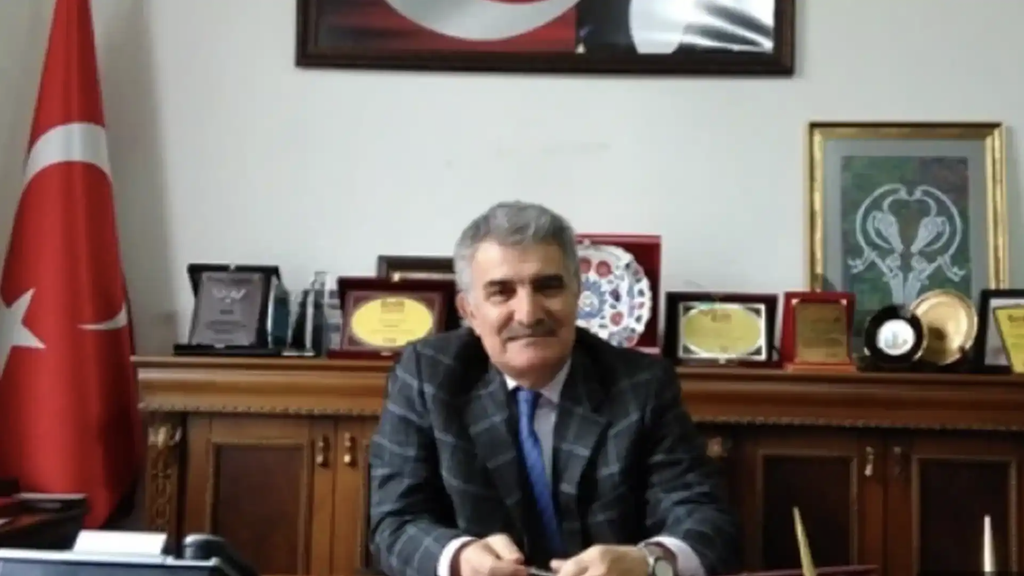
The principal critic was İsmail Kansız, the former Director of Culture and Tourism in Trabzon. Kansız had been removed from his position several years earlier and had successfully challenged his dismissal in court, securing his reinstatement. The reasons for his removal have not been conclusively established.
He now expressed outrage that the Turkish tourism promotion agency had circulated my report. He publicly asked since when the mountains of northern Anatolia had been called the Pontus Mountains, and accused those responsible, in essence, of ignorance and incompetence.
A remarkable question from a man who had spent years professionally engaged with the culture and history of the region. After all, the Kaçkar Mountains he himself mentioned form part of the Pontic Mountains. Not even the “outrage” of a former tourism director can change that geographical fact.
The newspaper illustrated his statement with what appeared to be an older photograph taken in his official office: the Turkish flag, awards and the imposing surroundings of a public official. By the time the article appeared, Kansız had long since ceased to hold that office.
The Construction of an Enemy Image
The newspaper also criticised my account of the history of the Sümela Monastery and Atatürk’s political responsibility. Historical responsibility is open to debate; my original wording may have been too sweeping. Such a discussion would have been entirely legitimate. It would not, however, have justified an accusation of political propaganda.
Particularly revealing was the article’s imagery. Günebakış combined my portrait with a mountain landscape and a historical depiction of Orthodox clergymen to create an unmistakably demagogic composition.
A travel journalist had been transformed into a supposed political agitator.
They had evidently gone to some trouble. Asking me beforehand what I had actually written and meant was apparently not part of the exercise.
Through the German PR agency handling the trip, I objected to the accusations and the use of my photographs. The agency made efforts to resolve the matter.
Three years later, the article remains publicly accessible. Complete with my name, the photomontage and the accusation of propaganda. I am not aware of any correction having been published.
I had changed my report. The accusation remained.
The Limits of Independence
The TGA’s request for a change reached me through the German PR agency before the newspaper article appeared. There is no evidence of any coordinated action between the tourism promotion agency and the newspaper.
That does not alter the fundamental question: How much influence should a tourism institution be allowed to exert over the work of an independent journalist?
Press trips make research and encounters possible that would otherwise often be difficult to arrange. They do not, however, confer any right to editorial control.
An invitation is not an obligation to adopt the host’s preferred terminology.
I agreed to the change myself at the time. Nobody prohibited me from publishing, and there was no official order. That is precisely what makes the issue difficult: influence does not begin only with a ban. Sometimes a request is enough, particularly when it comes through people whose work one respects.
I have since restored the original geographical name.
Turkey remains a fascinating travel destination for me. I have very fond memories of its people, its landscapes and its hospitality. None of that has changed.
What has changed is my assessment of my own decision.
Journalistic independence means examining objections and correcting mistakes. Changing a factually correct statement simply because an institution finds it objectionable is another matter entirely.
And anyone who publicly accuses a journalist of political propaganda ought to have something more substantial to offer than the indignation of a former tourism director and a suggestive photomontage.
My report therefore once again says what it said from the beginning.
Pontic Mountains.
Documentation
The original article in the Turkish regional newspaper Günebakış remains publicly accessible. The editorial office holds the contemporaneous email correspondence concerning the request for changes made by the Turkish Tourism Promotion and Development Agency (TGA).
Editorial note: The author was personally involved in the events described. Statements from Günebakış, İsmail Kansız and the Turkish Tourism Promotion and Development Agency (TGA) are still pending.